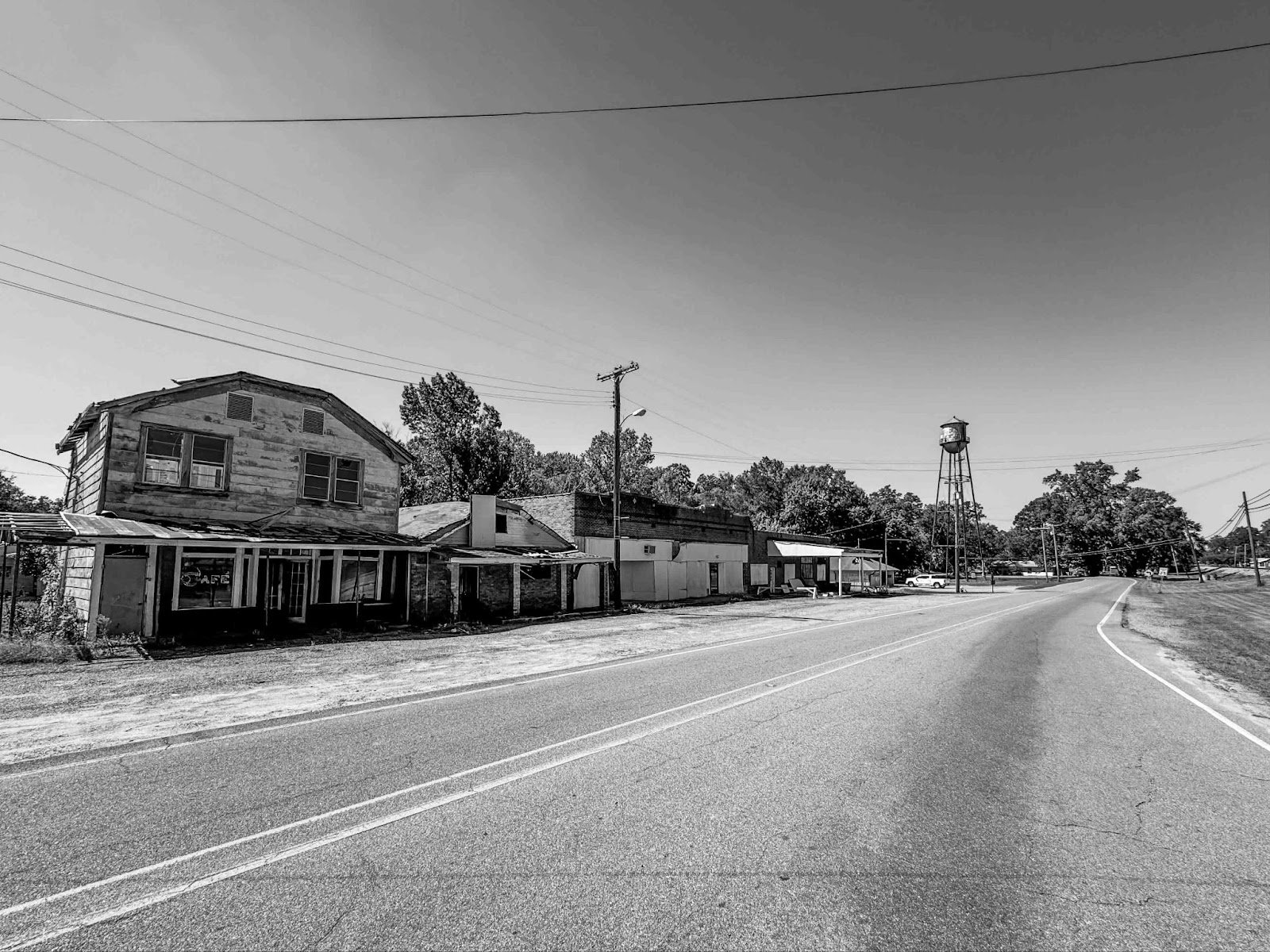
History
A century of sound
Bentonia’s story spans more than a hundred years — and it is still being written.
What is the Bentonia School?
A shared language of songs, tunings and minor chords.
The Bentonia School is a style of blues guitar tied to Bentonia, Mississippi: a shared repertoire of songs, tunings and chord voicings with a distinctly minor sound. Not every Bentonia musician played this way. The style grew out of Skip James, whose intricate, sophisticated playing stood apart from typical blues guitar.
Only a small group of musicians belong to the lineage: Henry Stuckey, who was never recorded; Skip James, the best known; Jack Owens; and Jimmy “Duck” Holmes. Their music uses haunting minor chords and droning strings that ring with an ominous, eerie feel.
The tuning
E · B · E · G · B · E
Open E minor, low string to high. A common variant drops a whole step to D minor: D · A · D · F · A · D.
The sound
Other bluesmen, like Bukka White, Albert Collins, Arthur “Big Boy” Crudup and Henry Townsend, used this tuning too. But the Bentonia players drew a tone from it that belongs only to this region.
The Source
A tuning carried home from war.
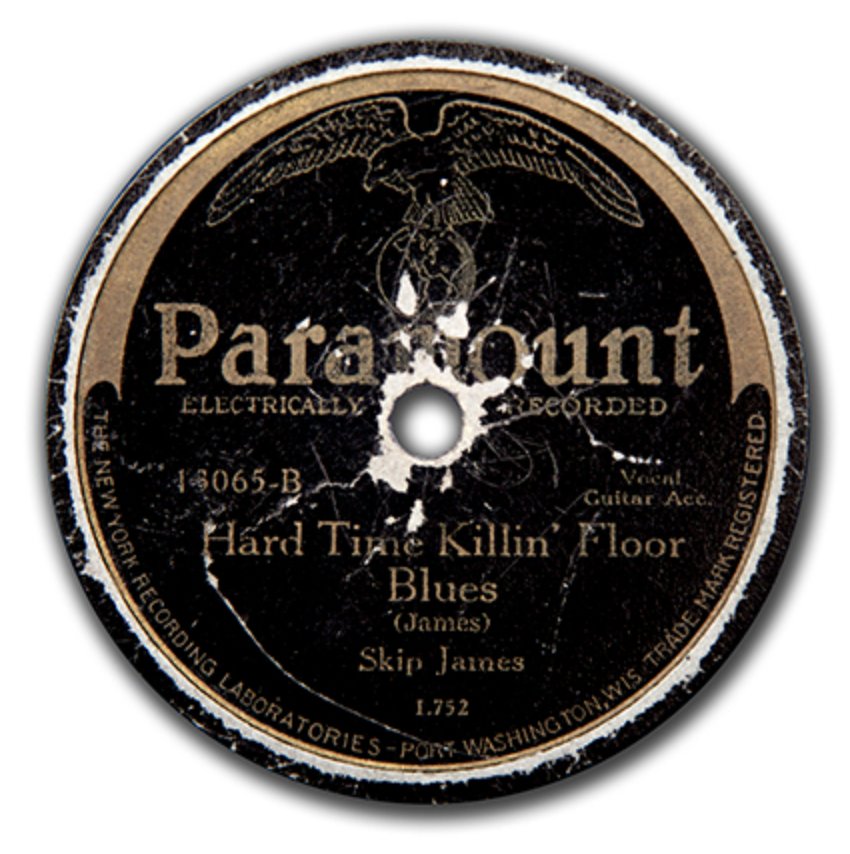
The Bentonia sound began with Henry Stuckey, who heard an open minor tuning from Caribbean soldiers in France. He brought it back to Yazoo County, where it became something entirely its own — and passed it to Skip James, whose 1931 Paramount records made it immortal.
Timeline
1897
Henry Stuckey is born near Bentonia. Serving in France during World War I, he learns a minor tuning from Caribbean soldiers — the seed of the Bentonia sound.
1902
Nehemiah “Skip” James is born near Bentonia. He becomes the best-known voice of the Bentonia style.
1904
Jack Owens is born in Bentonia. He plays the style locally for decades and appears in the 1991 film Deep Blues.
1920s
Back home, Stuckey teaches the style to a young Nehemiah “Skip” James and other local players.
1931
Skip James records 18 sides for Paramount in Grafton, Wisconsin — among the most haunting recordings of the era.
1948
Carey and Mary Holmes open the Blue Front Cafe in Bentonia — a juke joint and community hub.
1964
Skip James is rediscovered during the folk-blues revival, bringing Bentonia blues to new audiences.
1970
Jimmy “Duck” Holmes takes over the Blue Front, keeping the doors — and the tradition — open.
Today
Jimmy teaches anyone who wants to learn. His students, including GMan Blues, carry the sound as far as the Tennessee mountains.
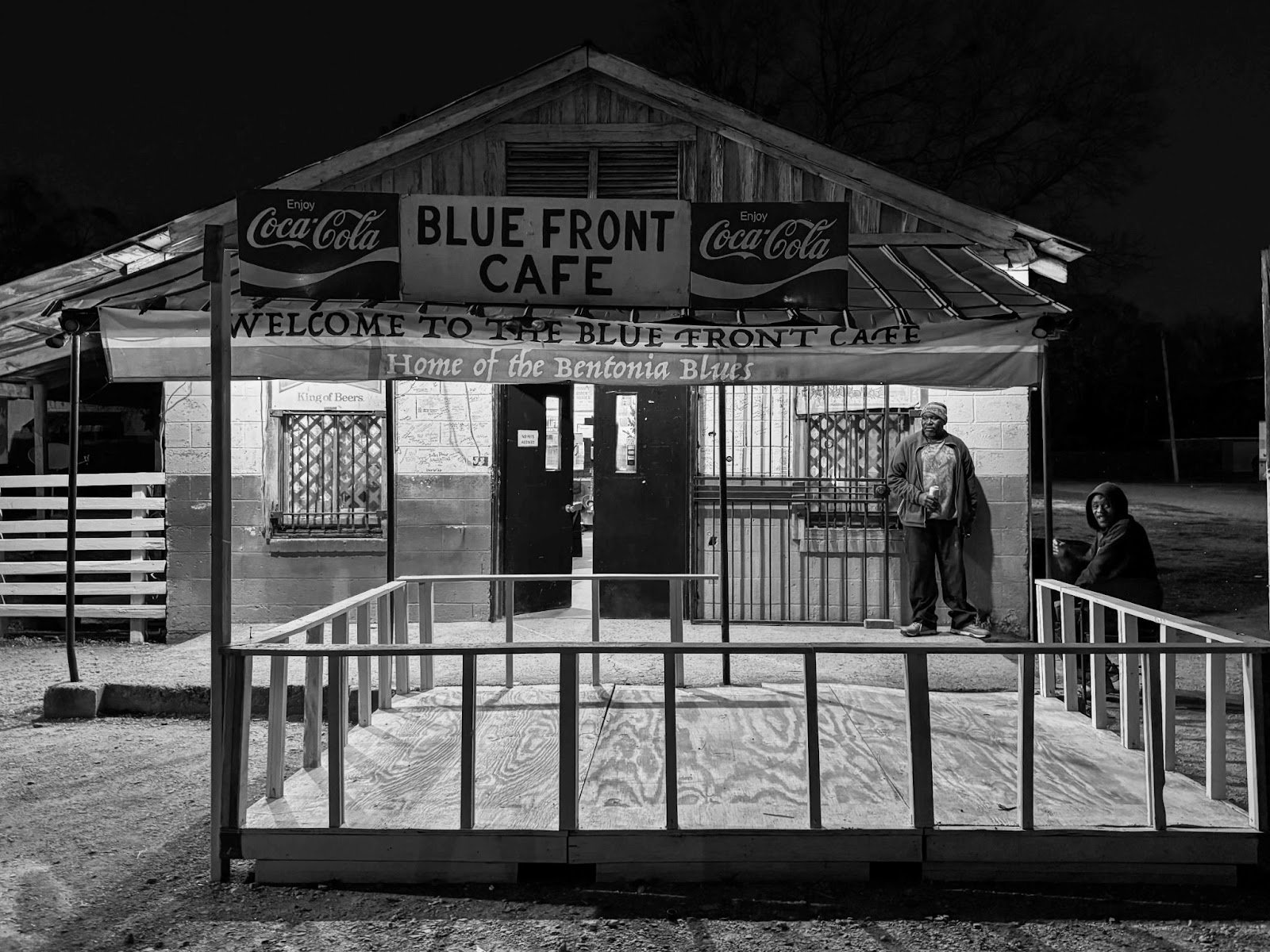
The Blue Front Cafe
One of the oldest juke joints in Mississippi.
Open since 1948, the Blue Front has been a gathering place, a classroom and the living home of the Bentonia blues. Its annual festival still draws players from around the world.
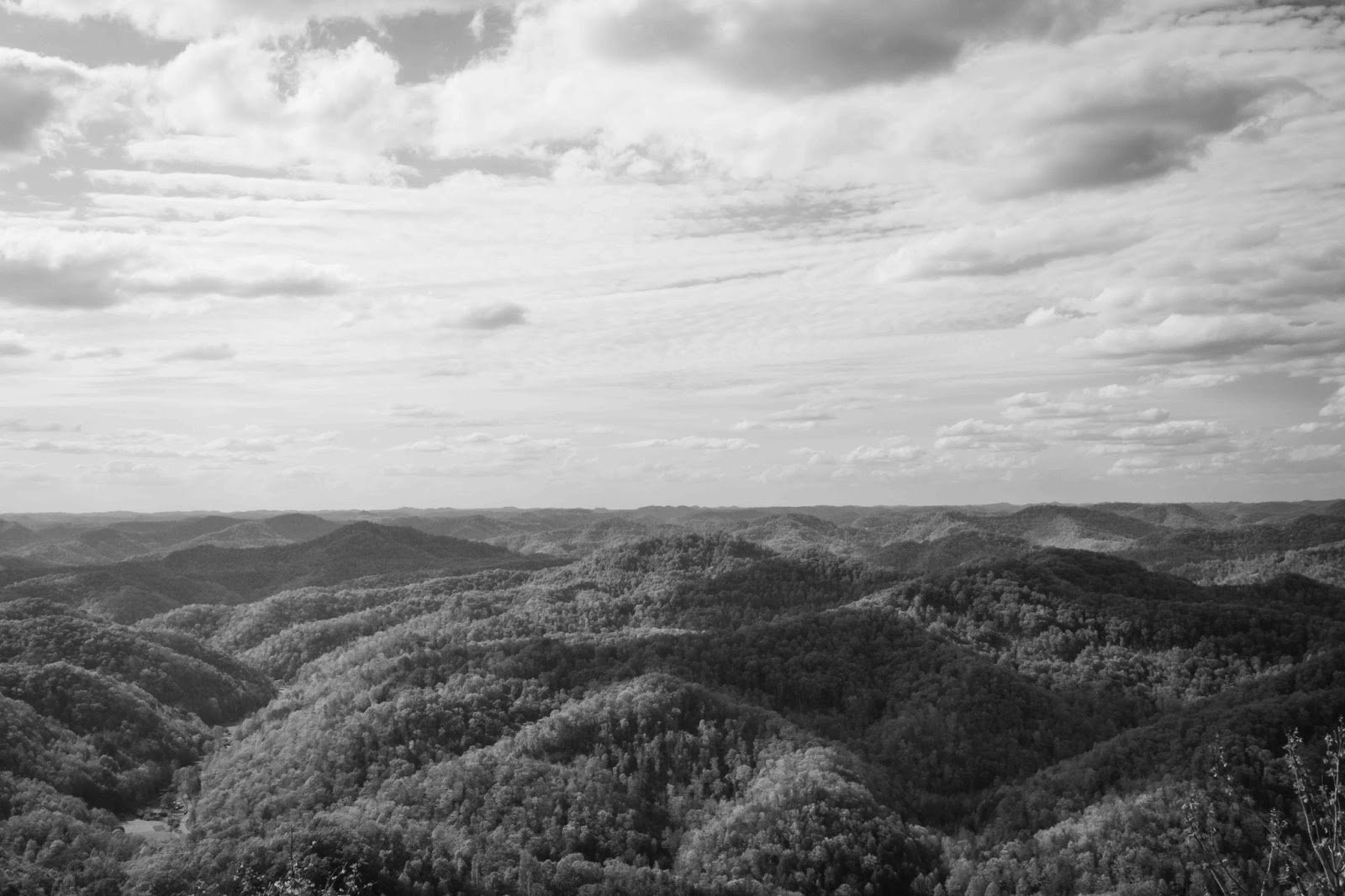
The Carrier
The tradition keeps traveling.
Through Jimmy’s teaching, new players have taken up the style and carried it into new communities — proof that the Bentonia School is a living lineage, not a museum piece.